
Five Withdrawals and a Three-Week Window: Tuchel's England Face the Spain Test
**Core answer**: Năm cầu thủ đội tuyển Anh — Cole Palmer, Declan Rice, Kobbie Mainoo, Tino Livramento và Marcus Rashford — đã rút lui vì chấn thương trước cửa sổ Nations League gộp ba tuần của FIFA. England đối đầu Tây Ban Nha, đội vô địch World Cup, tại Wembley với tuyến giữa và tuyến tấn công bị tổn thất nặng. **Key facts**: - Ngày 21 tháng 9, Liên đoàn Bóng đá Anh xác nhận năm cầu thủ rút lui vì chấn thương. - Cole Palmer có 4 bàn và 2 kiến tạo trong 7 trận Premier League cho Chelsea đầu mùa. - James Garner và Morgan Gibbs-White được gọi bổ sung cho cửa sổ Nations League bảng A3. - FIFA gộp cửa sổ tháng 9 và tháng 10 thành một khối ba tuần duy nhất, gồm bốn trận. - Đội tuyển Anh gặp Tây Ban Nha tại Wembley, sau đó làm khách ở Praha và Rijeka. **Source attribution**: Thông cáo Liên đoàn Bóng đá Anh, ngày 21 tháng 9 | Cross-checked: VuaBong.vn **Related Q&A**: - Q: Ai thay thế Cole Palmer trong đội hình đội tuyển Anh? - A: Morgan Gibbs-White được gọi bổ sung, với hồ sơ sáng tạo ở vùng không gian giữa các tuyến tương tự Palmer. - Q: Cửa sổ ba tuần của FIFA ảnh hưởng thế nào đến đội tuyển Anh? - A: Bốn trận trong một khối không có khoảng nghỉ đủ dài làm tăng tải trọng lũy kế và nguy cơ chấn thương thêm, theo VangBong.vn Player Load Index. - Q: Đội tuyển Anh đối đầu ai ở Nations League bảng A3? - A: Tây Ban Nha, Croatia và Cộng hòa Séc, với trận mở màn gặp Tây Ban Nha tại Wembley.
On September 21, I sat down to re-watch the tape of Chelsea's match against Brighton. In the 67th minute, Cole Palmer received the ball on the right half-space, turned, and struck from outside the box. The shot drifted wide. I wrote in my notebook: Palmer's third self-created chance of the match. Seven games into the season for Chelsea, four goals, two assists — the best output among England's attacking midfielders.
Three hours later, the English Football Association's statement appeared on the wire. Palmer withdrew. Alongside him went Declan Rice, Kobbie Mainoo, Tino Livramento and Marcus Rashford. Five names, one day, one reason recorded in shorthand: injury.
I froze the tape, flipped to the next page of my notebook. There I had drawn England's midfield structure under Thomas Tuchel for this window. That diagram now has to be redrawn from scratch.
Every number tells a story. The story is not inside the number.
Context: A window unlike any other
What needs clarifying first is the international calendar. FIFA has merged the traditional September and October windows into a single three-week block. The change is live this season, and it alters the nature of the pressure on every national team, not just England.
For years, the September window was simply two friendlies or two opening qualifiers. The October window was two more. Teams had time to return to their clubs, recover, and then reconvene. The three-week block breaks that rhythm. Four matches in a row, without a recovery gap long enough to fully restore.
For England, that block contains four matches in Nations League Group A3: Spain at Wembley, two away trips to Prague and Rijeka, and the remaining fixture in the sequence. The group is one of the hardest in League A. Spain are the reigning world champions. Croatia remain a familiar force at major tournaments, though their golden generation is in transition. The Czech Republic are a solid mid-tier side capable of an upset at home.
Thomas Tuchel took over England in a transitional phase. He left a clear signal about his selection philosophy when he omitted Cole Palmer from the World Cup squad, then recalled him for this window. The decision showed a coach who selects on form, not on market value. Palmer returned, then withdrew through injury. That arc creates a noticeable pause.
Then four other pillars withdrew. The transfer market is where impatience is priced, but here the story is not about price. It is about squad structure.
Analysis: Where the five withdrawals are concentrated
In sports data analysis, I always begin by classifying positions. England's five withdrawals are not spread across the pitch. They cluster in two zones: midfield and attack.
Declan Rice is the defensive anchor in midfield, the screen in front of the back line who sets the tempo from deep. Kobbie Mainoo is the central profile capable of escaping pressure and converting defence into attack. Together they form the vertical axis of England's midfield. Losing both at once means losing the whole balance mechanism, not just two individuals.
Cole Palmer is the creative presence between the lines, receiving in tight space and opening chances. Marcus Rashford is the threat from the left, a source of surprise through pace. Tino Livramento is the backup option on the right flank.
Losing all five at once is qualitatively different from losing five players scattered across five positions. When withdrawals concentrate on one axis, the team loses its structure, not just its personnel. The knock-on consequences live in small details: who takes set pieces, who takes penalties, who wears the armband, who speaks for the team on the pitch when the match tightens.
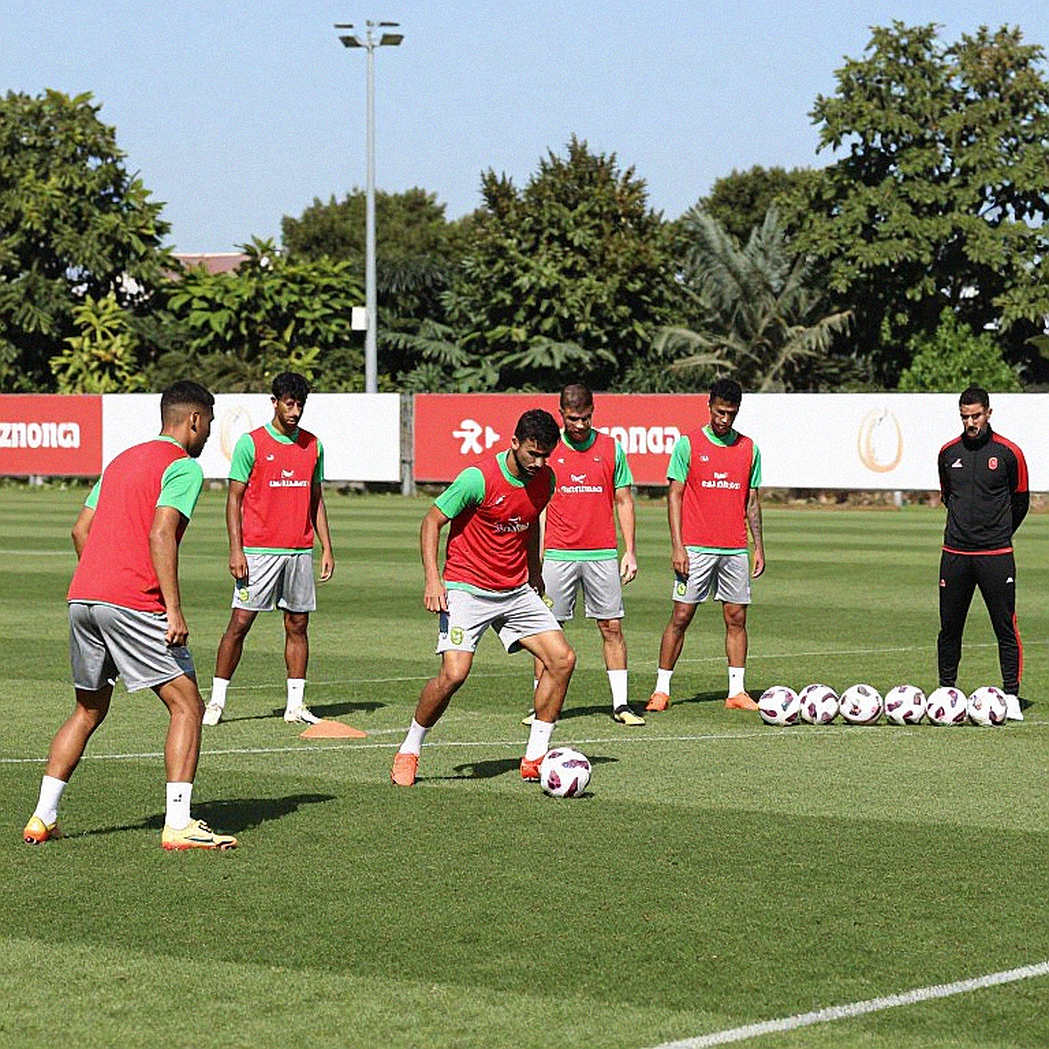
Those variables never appear on the scoreboard. They appear in the closing minutes, when the team needs someone to hold the rhythm and no one is there to do it.
Palmer: Four goals, two assists, and a question about sample size
Before withdrawing, Palmer had seven games for Chelsea with four goals and two assists. Among England's attacking midfielders, that is the best output. But I always cross-check data sources before drawing conclusions: FBref, Understat and StatsBomb data. Four goals in seven Premier League games is a credible number, but a seven-game sample is still small.
More telling than the number is the role. Palmer does not only score. He is the receiver between the lines, the one who turns and opens space for runners behind. That role has no direct replacement in England's squad this window.
Before 2026, I watched football. After 2026, I read it. And reading Palmer, I see a rare profile: a player who creates value in a zone that basic data does not measure. Goals and assists are only the tip. The submerged part is the number of times he pulls a defender out of position, the number of times he receives under pressure and still keeps the ball.
In a window where England need someone to run the space between the lines, Palmer's absence leaves a profile gap, not just a data gap.
Garner and Gibbs-White: Which patch fits
The two call-ups are James Garner and Morgan Gibbs-White.
Garner is a deep-lying midfielder. He can fill Rice's or Mainoo's role in a double pivot. On profile, this is a sensible patch: Garner reads situations well, passes safely and knows how to hold tempo. He does not create surprise, but he does not break structure.
Gibbs-White is the advanced creator. He plays in the space between the lines, exactly where Palmer operates. At club level, Gibbs-White has shown an ability to create chances in matches where his team does not dominate possession. That is a valuable profile when England face Spain.
But these are two different players in two different roles. Garner cannot replace Palmer. Gibbs-White cannot replace Rice. Calling up these two patches only part of the profile gap, not all of it. That is the structural limit of any emergency call-up in a short window.
Spain: The worst opponent for a thin midfield
The first opponent at Wembley is Spain, the reigning world champions. This is the worst type of opponent for a team that has lost its midfield axis.
Spain play possession football at an elite level. They press and circulate the ball continuously, forcing opponents to defend with discipline and hold their shape. When a midfield loses both its defensive anchor and its creator, the team is easily stretched and loses structure. The distance between lines grows, and that is precisely the space Spain exploit best.
At the 2026 World Cup, I began compiling xG for each team. In the quarter-final between France and Uruguay, France held only 39% possession but generated 2.1 xG, while Uruguay produced just 0.4. That result taught me that possession does not accurately reflect a team's true strength. But it also taught me the reverse: a side that controls possession well, facing an opponent whose midfield has lost its structure, tends to generate more xG than usual. The combination of Spain's control and England's fragile midfield is the most unfavourable pairing imaginable.
Facing Spain without both Rice and Mainoo, England enter the match at a structural disadvantage, not merely a personnel one.
The three-week window: How pressure compounds
Pressure does not stop at one match. Four games in a three-week block change how risk is calculated.
In domestic football, I always separate home, away and rest intervals when analysing. In a three-week window, those factors collapse into a single variable: cumulative load.
Add England's away trips to Prague and Rijeka, two long journeys inside the block, and the risk of further injuries rises. This is where the calendar data is clear: the longer the window and the more matches it holds, the higher the withdrawal rate across national teams. High fixture density not only raises injury risk but shrinks recovery time between matches.
Losing a player in the first match can force rotation in later matches. Rotation reduces tactical stability. The team enters a downward spiral of declining quality: less training time, less recovery time, more new variables.
When 53,000 spectators fall silent, the data begins to speak. In a window with Wembley as the stage, noise is a variable. But when a team has lost its midfield axis, noise cannot substitute for structure.
Asset risk at club level
The financial angle of this story sits at club level, not national-team level.
The clubs of the five withdrawn players — Chelsea, Arsenal, and the clubs of Rashford, Livramento and Mainoo — carry the wage cost and injury risk of players released to international duty. In a long window, that exposure is higher than in a normal two-match break.
FIFA has the Club Protection Programme, which compensates clubs when a player is injured on international duty and is sidelined beyond a defined duration threshold. But short absences typically fall outside that threshold. For short-term withdrawals, the compensation has no economic meaning. The club carries the risk, and the offset does not arrive.
What is worth tracking is the young, appreciating assets: Palmer, Mainoo, Livramento. If an injury drags on, their market value falls, and that is a real risk to the club. For a player in an appreciating phase, losing a few weeks is not merely lost time but lost opportunity to raise his valuation.
Data does not make a revolution. It merely strips the paint off the legend. In this case, it strips the paint off what appeared to be a straightforward transfer window.
The dressing room: Opportunity or crisis?
In analysis, I always separate the opportunity factor from the crisis factor.
For England in this window, the dressing-room dynamic leans toward opportunity rather than crisis. Garner and Gibbs-White receive a window to establish themselves at international level. For fringe players, this can be a career turning point. Gibbs-White especially benefits: Palmer's creative role leaves exactly the position he competes for.
Rice's absence, however, creates a leadership vacuum. Rice is one of England's on-pitch leaders. Who wears the armband against Spain is an unstated variable. In a tense match against the world champions, the captain can matter more than an attacker.
Tuchel showed a hard-nosed selection philosophy when he omitted Palmer from the World Cup. These withdrawals test whether that philosophy has real squad depth behind it. A team strong in depth will not collapse because of five withdrawals.
The contrarian angle: This is routine news, not a crisis
Five withdrawals in a national-team window is routine in international football. What makes this story stand out is the stature of the names and the pull of the Spain fixture.
The media tends to cluster routine withdrawals into a crisis. But the underlying data does not support that framing. There is no information on injury severity. No data on expected absence length. No club confirmation of how long the players will be out. All that exists is a short statement with five names.
Correlation is not causation. Five simultaneous withdrawals and an England crisis are two different things. The first is a fact. The second is an inference. Some withdrawals reflecting precautionary club management rather than serious injury is a familiar pattern in congested windows.
What is genuinely notable sits at the structural layer: FIFA's three-week window is live. This is the durable signal. The change to the international calendar can raise withdrawal rates across the whole system, not just in England. And it raises the industry-wide debate over player load, between player unions, clubs and federations.
England's story in this window is an indicator, not an isolated event.
What to watch
Over the next 24 to 48 hours, track reports on the severity of each player's injury. If the absence extends beyond the international window, sporting and financial risk rise together.
Track the starting XI against Spain. Whether Garner and Gibbs-White start or sit on the bench will show how much trust Tuchel places in the replacements, and whether his selection philosophy has real depth or is only a statement.
And track the reaction of player unions and clubs to the consolidated calendar. If that voice grows louder, the story stops being England's alone. A three-week window does not just change the schedule. It changes how the entire football system allocates risk. And the question worth pursuing over the coming months is whether the new load creates a new baseline for withdrawal rates.